
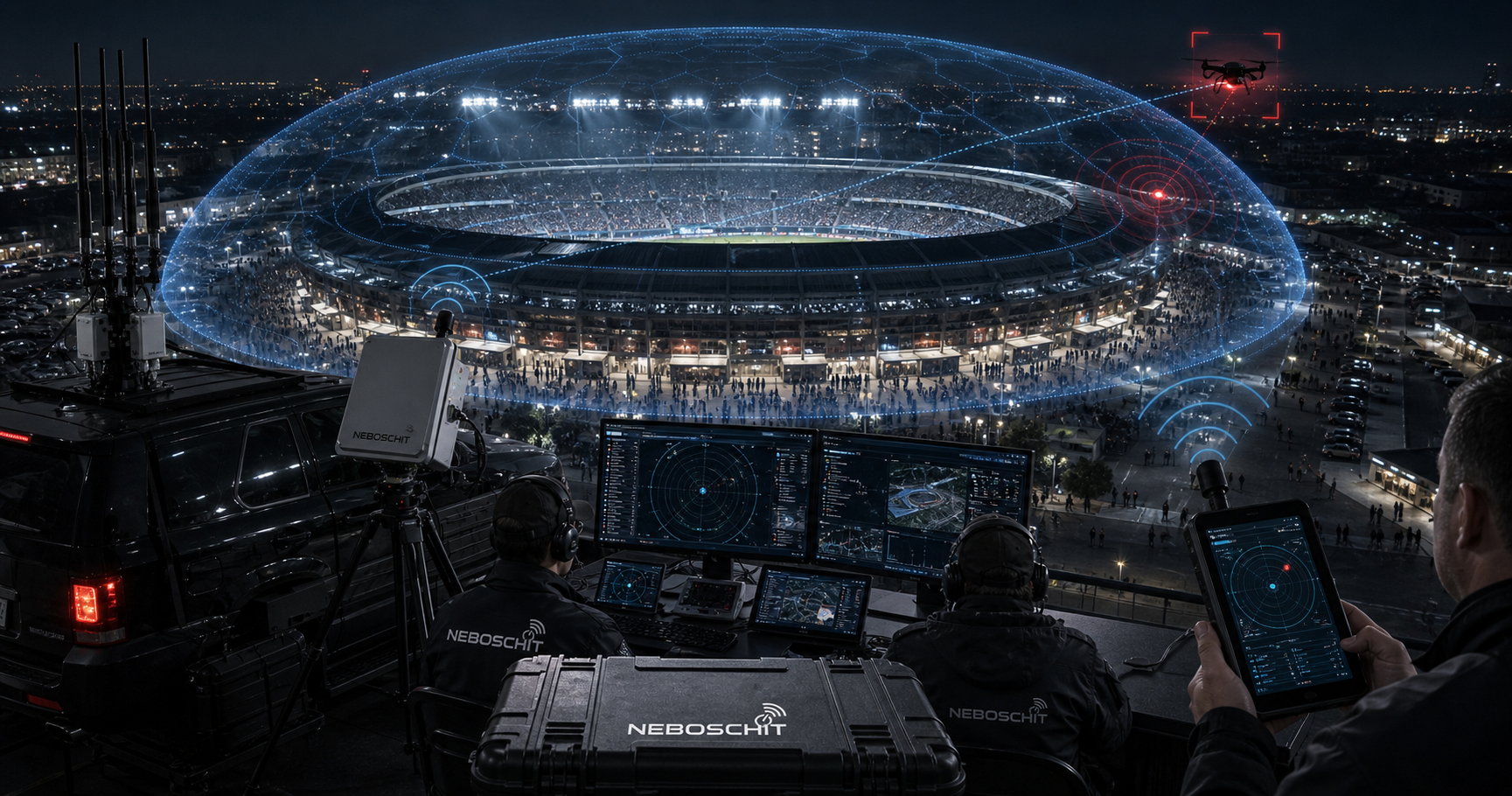
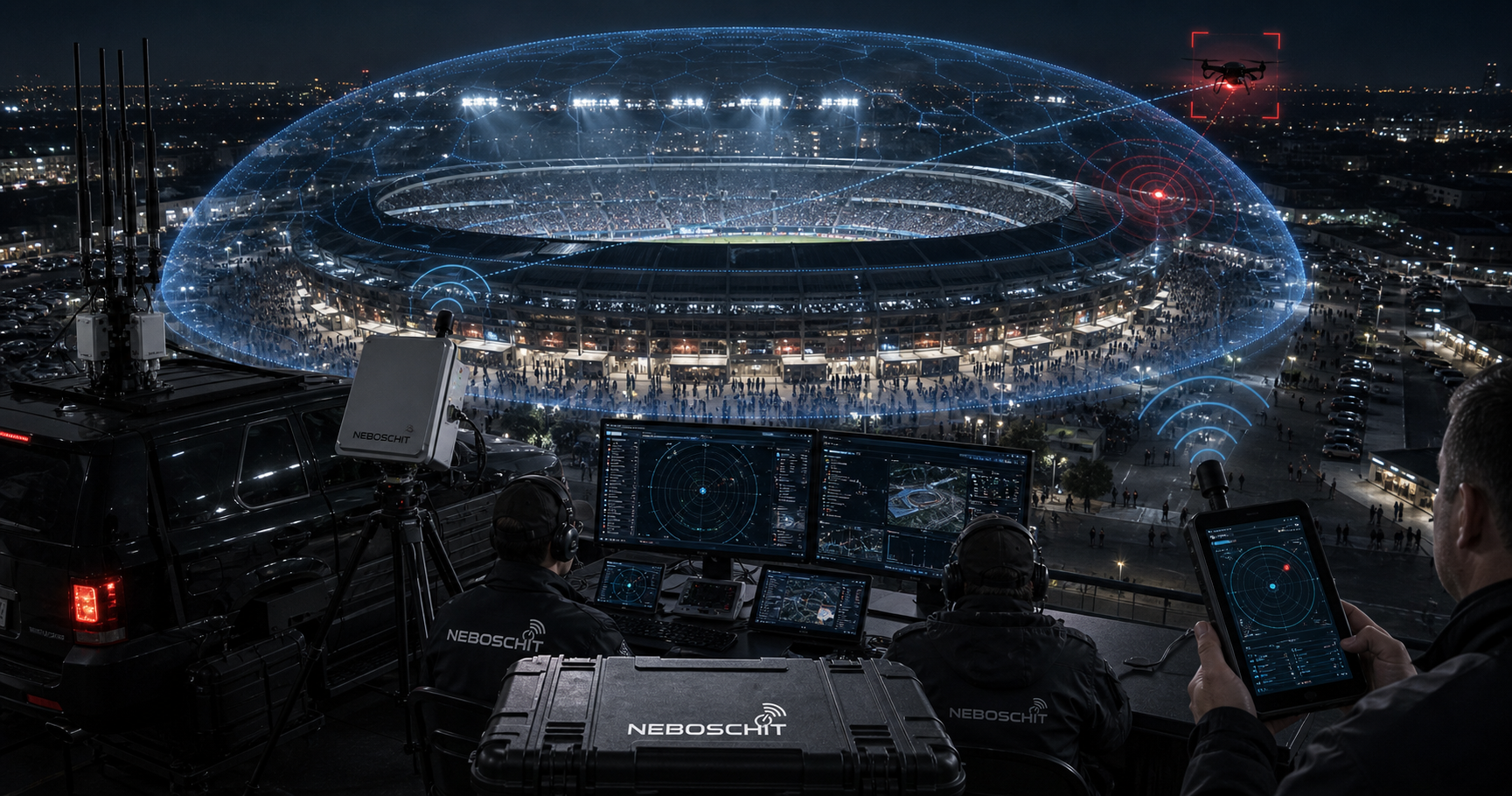
On January 28, 2024, the AFC Championship Game at M&T Bank Stadium in Baltimore was briefly halted. Not by a player injury or a weather delay -by a drone. Matthew Hebert, a 44-year-old from Pennsylvania, had flown a consumer drone over a crowd of 70,000 people. He now faces federal felony charges carrying up to four years in prison.
Less than a year later, on January 11, 2025, it happened again at the same stadium -a drone circled above a Ravens-Steelers Wild Card playoff game, triggering another security response and another federal investigation.
Two incidents, same venue, eleven months apart. That's not bad luck. That's a pattern with a name: the growing normalization of drone incursions at mass gatherings.
The Numbers Behind the Headlines
The NFL's own security data makes the scale impossible to dismiss. In 2018, NFL security logged 67 drone incidents across all games. By 2023, that figure had risen to 2,845 -a 4,145% increase. In 2024, 2,300 drones were detected violating Temporary Flight Restrictions around NFL stadiums during game days. Across all venue types tracked by the FAA, Temporary Flight Restriction violations reached 12,624 in 2024, up from 11,647 the prior year.
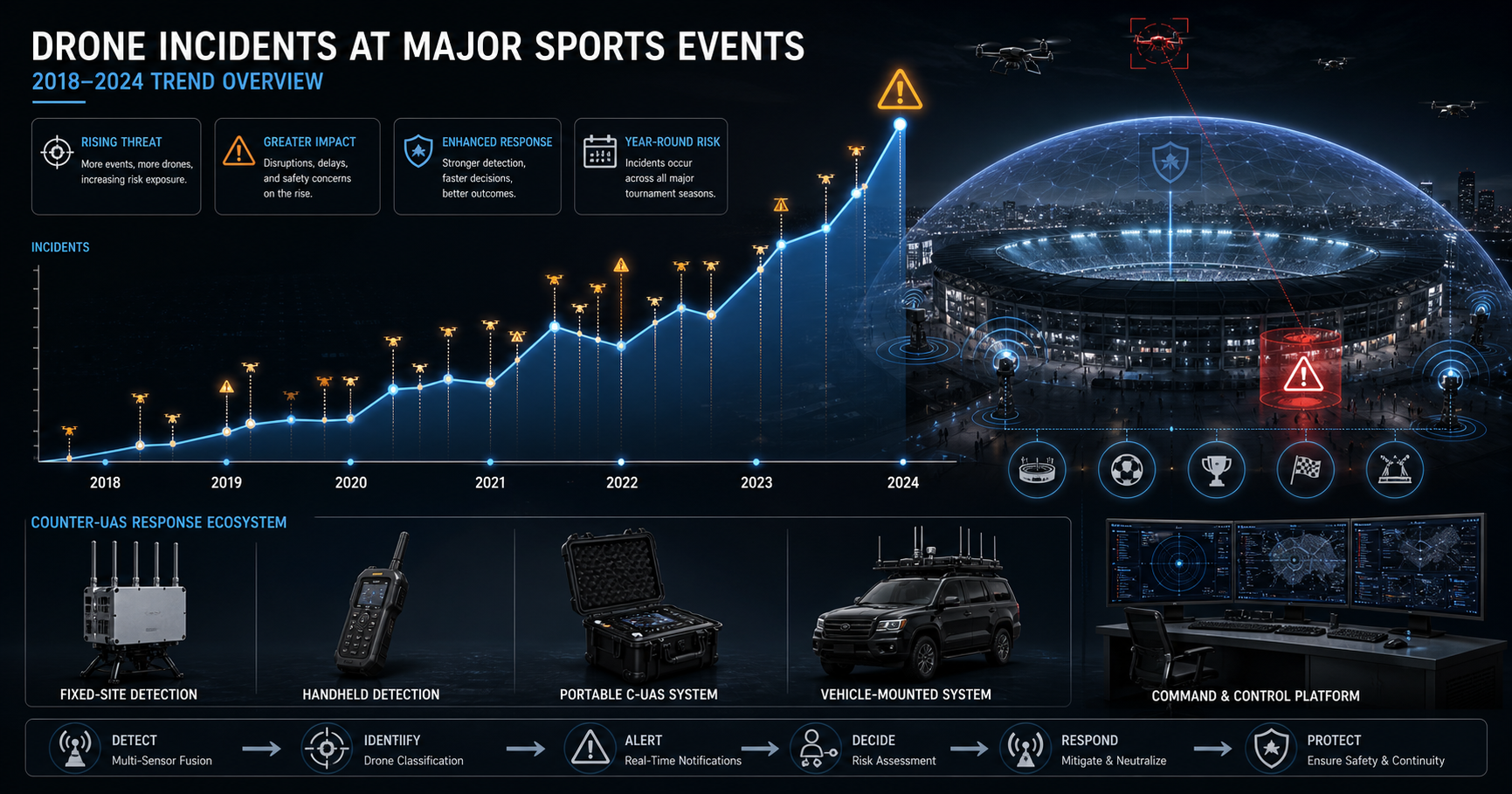
NFL security data shows drone incidents growing more than 40-fold in six years.
The problem is not confined to professional football. In September 2024, a drone pilot interrupted a Green Day concert at Comerica Park in Detroit, halting the show for ten minutes and triggering a response involving the FAA, Detroit Police, and Michigan State Police. The pilot was arrested. In April 2025, another individual was arrested at the same venue for flying a drone during the Detroit Tigers' home opener.
The same venue, three incidents in nine months. The drones are not rare anymore. The question is what happens when venue security can't respond to them effectively.
Why Mass Gatherings Create an Acute Problem
The threat profile at a stadium or concert venue is meaningfully different from an airport or a power plant. A few factors compound the risk:
Crowd density. Tens of thousands of people within a few hundred meters of each other means that any drone carrying a payload -or simply losing control -has nowhere to fall safely. Even a 1.5kg consumer drone falling from 50 meters generates enough kinetic energy to cause serious injury.
Predictability. Stadiums operate on fixed, publicly announced schedules. Events are advertised months in advance. Attackers -or reckless hobbyists -have ample time to plan.
Proximity to airspace transitions. Many stadiums are near airports or within approach corridors, creating regulatory gray areas where TFR enforcement competes with normal air traffic management.
Livestreaming. FPV drones, which are frequently used for aerial photography at events, transmit video over analog links on non-standard frequencies. This makes them harder to detect with conventional RF monitoring systems calibrated for DJI-style 2.4GHz/5.8GHz communication patterns.
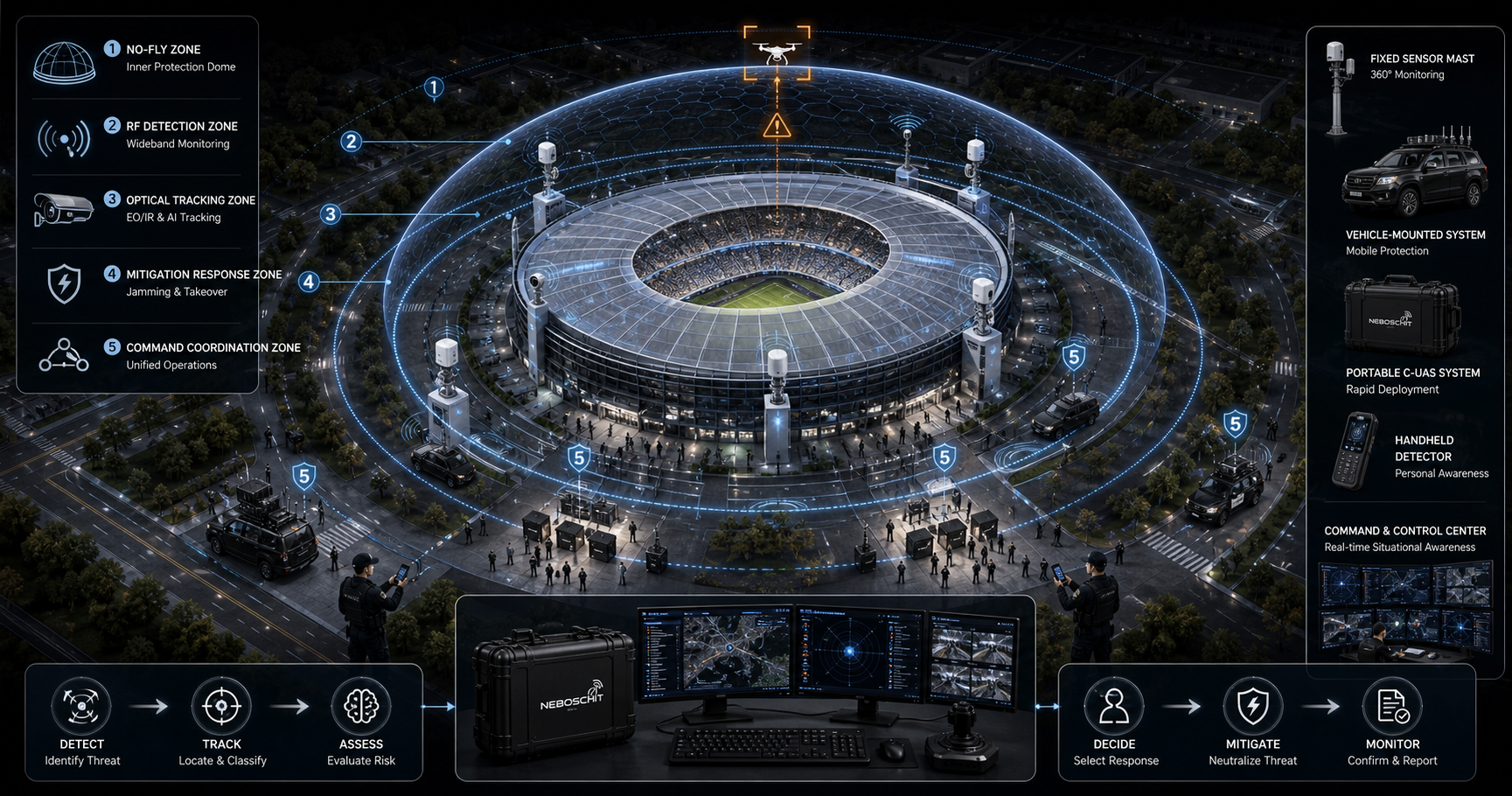
Effective event C-UAS requires layered detection and mitigation coverage, not a single perimeter.
What Happened at Super Bowl LIX -And What It Proves
Super Bowl LIX in New Orleans (February 2025) was the most heavily fortified drone-restricted event in US sporting history. A multi-agency counter-UAS team combining the U.S. Coast Guard, DHS Science and Technology directorate, ICE, TSA, FBI, and FAA deployed sensors at multiple positions around the Caesars Superdome.
A 3-nautical-mile restricted airspace radius was established. Penalties for violations: confiscation, fines up to $75,000, and potential criminal prosecution.
During the event, over 70 drone operators attempted to enter restricted airspace. All were detected and intercepted. Two launched from a cruise liner docked on the Mississippi River -the C-UAS team detected both, allowing ground personnel to identify one of the pilots in real time.
The Super Bowl deployment proves the technical feasibility of large-event drone security when properly resourced. It also reveals the resource requirement: federal multi-agency coordination, pre-positioned sensors, continuous RF monitoring, and the legal authority to act. That combination is not available at most sporting events, concerts, or outdoor festivals.
FIFA World Cup 2026: The Largest Event C-UAS Challenge Yet
Thirty-two teams, sixteen host cities, three countries, sixty-three matches, and millions of spectators. FIFA World Cup 2026 will be the largest sporting event ever held in North America -and it is already generating the most sophisticated event C-UAS planning effort the US government has undertaken.
The FAA has designated all World Cup stadium areas as strict No Drone Zones. The Department of Homeland Security has earmarked $500 million across two fiscal years for drone protection infrastructure associated with the event. New York State alone received $17.2 million through the federal Counter-Unmanned Aircraft Systems Grant Program for event preparation.
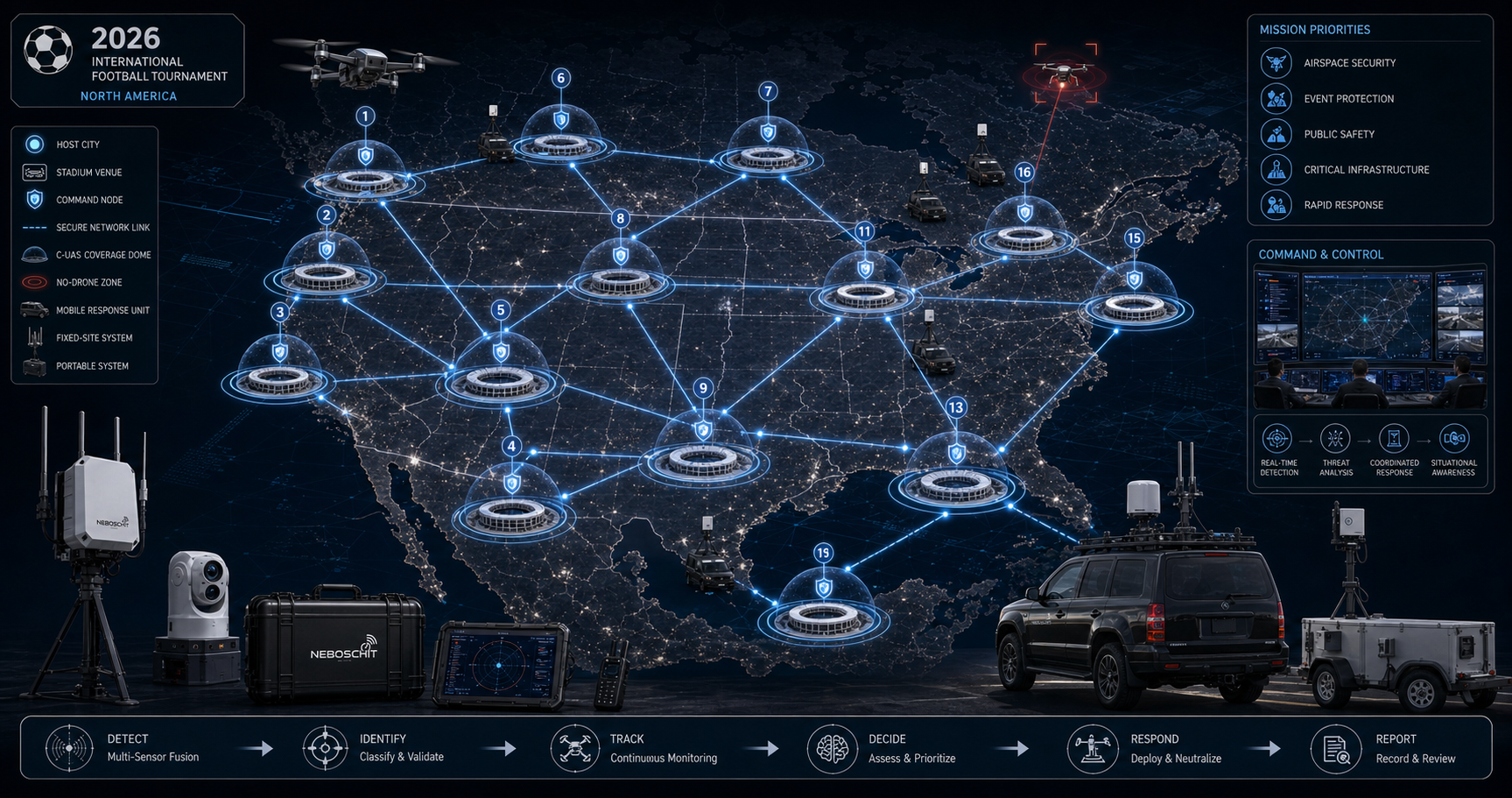
FIFA World Cup 2026 spans 16 cities across three countries -requiring coordinated, multi-jurisdiction C-UAS deployment.
The multi-jurisdiction complexity here is unprecedented. Host cities include Miami, Los Angeles, Dallas, New York, Seattle, Boston, Atlanta, Kansas City, Philadelphia, Houston -each with different local law enforcement authority over drone countermeasures, and each subject to TFR enforcement through FAA coordination. Harmonizing that patchwork is an operational and logistical challenge that no single agency can handle alone.
The Safer Skies Act, which passed the US House on February 20, 2025 as part of the NDAA, represents the legislative response: it extends drone countermeasure authority from federal agencies to state, local, tribal, and territorial law enforcement. For World Cup 2026 and the events that follow, this matters significantly -city police and venue security can now legally detect and disable hostile drones rather than watching and calling for federal backup.
What Effective Event C-UAS Looks Like in Practice
For system integrators and venue operators, the Super Bowl deployment model represents the current state of the art -but it's expensive, federal, and not replicable at most events without significant infrastructure investment.
The practical architecture for large-event C-UAS has converged around three components:
RF detection across the full drone frequency range. Consumer drones -the vast majority of event incursion platforms -operate on 2.4GHz and 5.8GHz for video, with control links often on 433MHz or 900MHz. FPV platforms add non-standard analog frequencies. Detection must cover the full range, not just the DJI bands.
Fast-activation, continuous-output jamming capability. When a drone is detected over a crowd of 70,000 people, the response window is seconds. Systems that require warm-up time or that can only transmit in pulses are inadequate for live event security. Continuous 50W-100W output across 380MHz-5.8GHz is the realistic minimum for effective event coverage.
Modular, rapid-deploy form factor. Unlike airport installations, event C-UAS cannot be permanently fixed. Vehicle-mounted units and portable systems that can be positioned and repositioned around a venue perimeter before an event begins are the practical requirement. Modular GaN RF jamming subsystems -with wide frequency coverage in compact, rugged form factors -are what make this deployment model viable.
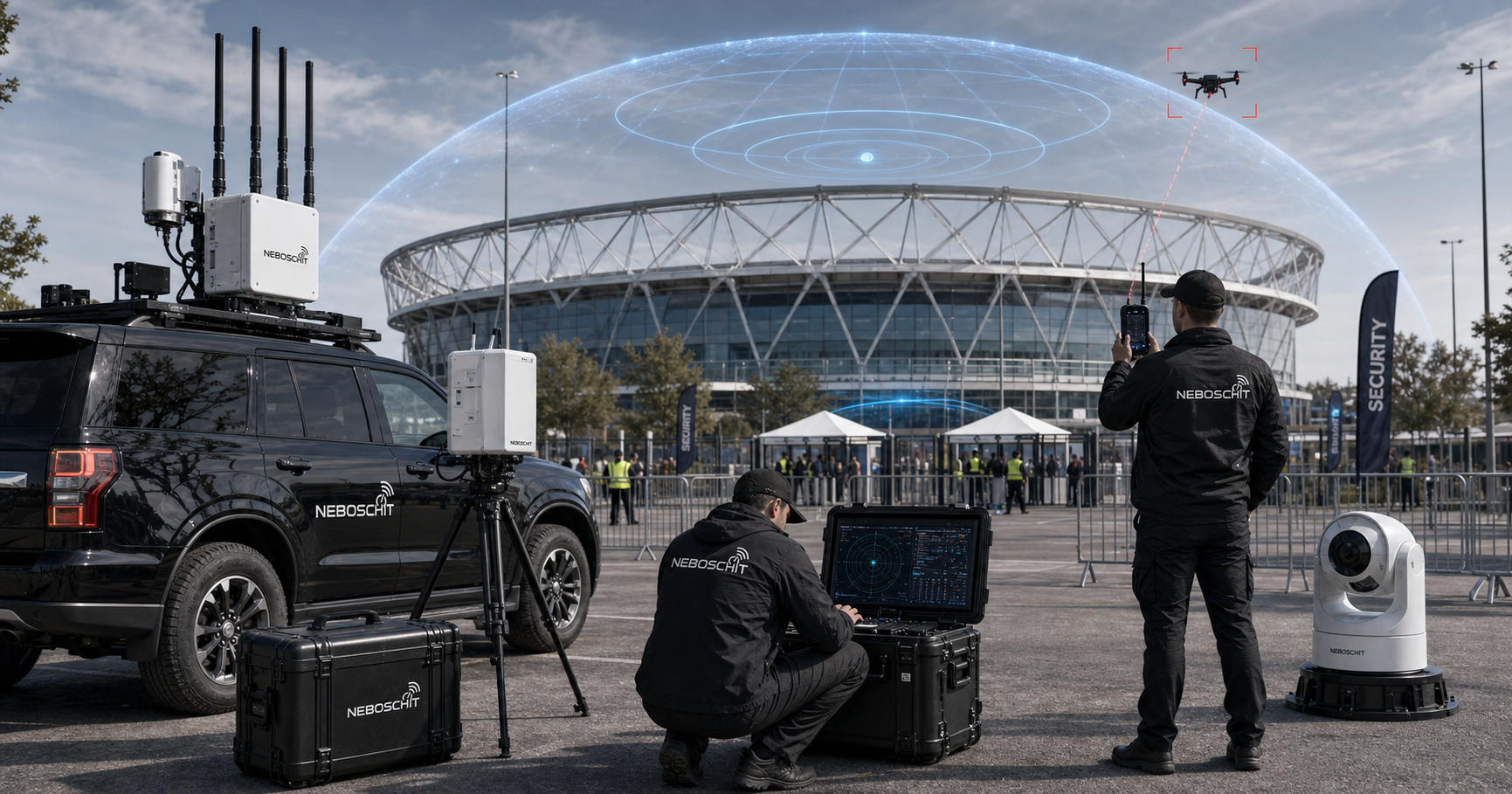
NeboShchit's GaN RF modules cover 380MHz-5.8GHz at 50W and 100W output, suitable for rapid-deploy event security applications.
The NFL, concert promoters, and international sporting bodies have all arrived at the same conclusion through different routes: drone incursions at mass gatherings are no longer hypothetical, and reactive enforcement -catching the pilot after the fact -is not a security solution. The Green Day concert disruption, the two Baltimore playoff incidents, and the Super Bowl's 70-plus intercepts tell the same story from different angles.
With FIFA World Cup 2026 less than eighteen months away, the procurement and deployment timeline for comprehensive event C-UAS is already tight. The technical capability exists. The funding is moving. The question for venue operators, system integrators, and security planners is whether they are building that capability now, or waiting for the incident that makes the decision for them.
NeboShchit's GaN RF modules -50W and 100W, covering 380MHz-5.8GHz -are designed for integration into mobile and rapid-deploy event security systems. MOQ=1. Contact us to discuss your deployment requirements.
Sources: DOJ -Federal Felony Charges, M&T Bank Stadium Drone Incident · airsight -NFL Playoff Drone Incident Baltimore 2025 · DHS -Super Bowl LIX Counter-UAS Operations · Flying Magazine -Green Day Drone Incident Detroit · FAA -FIFA World Cup 2026 Safety Plan · Commercial UAV News -US Government World Cup Drone Protection · DroneXL -Safer Skies Act Passes House · NFL -Drone Safety Law Statement